

Driving Marketing ROI with AI Agents and Automation
AI agents are revolutionizing marketing strategies by enhancing efficiency and driving better results through data-driven decision-making. This article delves into the transformative role of AI agents in marketing, focusing on how they streamline processes, optimize campaigns, and improve return on investment (ROI). As digital marketing becomes more data-centric, many businesses face the challenge of maximizing their marketing spend while ensuring personalized customer experiences. AI agents offer a solution by harnessing automation, predictive analytics, and customer engagement techniques to create targeted marketing strategies.
We will explore several key areas: what AI agents are and their role in marketing automation, the types of AI agents that drive campaign optimization, the metrics that measure AI marketing performance, and how enterprises can safely implement AI marketing technologies. Additionally, we will discuss the significant ROI improvements linked with AI-driven strategies, including the impact of AI on average order value and marketing team burnout.
Key Takeaways
- AI agents automate marketing tasks, enhancing efficiency and enabling data-driven decision-making for better campaign results.
- Key AI agent types include autonomous campaign managers, predictive analytics agents, and content creation tools.
- AI-driven marketing strategies increase ROI through hyper-personalization and optimized resource allocation.
- Important AI marketing metrics are conversion rate uplift, cost per acquisition, and customer engagement levels.
- AI agents improve personalization by dynamically segmenting audiences and adjusting content in real time.
- Robust governance frameworks ensure ethical AI use, data privacy, and compliance in marketing implementations.
- Case studies show AI reduces content production time, increases average order value, and lowers marketing team burnout.
- Automation of routine tasks by AI agents reduces stress and allows marketers to focus on strategic initiatives.
- Emerging trends include increased AI adoption, integration with business intelligence, and emphasis on personalized customer experiences.
What Are AI Agents and How Do They Drive Marketing Automation?
AI agents are sophisticated software applications designed to perform various marketing functions autonomously or semi-autonomously. They leverage artificial intelligence to analyze data, recognize patterns, and execute marketing tasks more efficiently than human teams. By automating repetitive, time-consuming activities, AI agents free up marketing professionals to focus on strategic planning and creative initiatives.
Key Characteristics of AI Agents
AI agents possess several defining characteristics that enhance their effectiveness in marketing automation:
- Autonomous Decision-Making: AI agents can analyze data and make decisions in real time, such as adjusting ad spend based on campaign performance.
- Contextual Awareness: These agents assess the current market conditions and user behaviors to tailor marketing messages accordingly.
- Continuous Learning: AI agents utilize machine learning algorithms to adapt to new information and improve their performance over time.
Through these capabilities, AI agents significantly improve operational efficiency within marketing teams.
How Do AI Agents Streamline Digital Marketing Workflows?
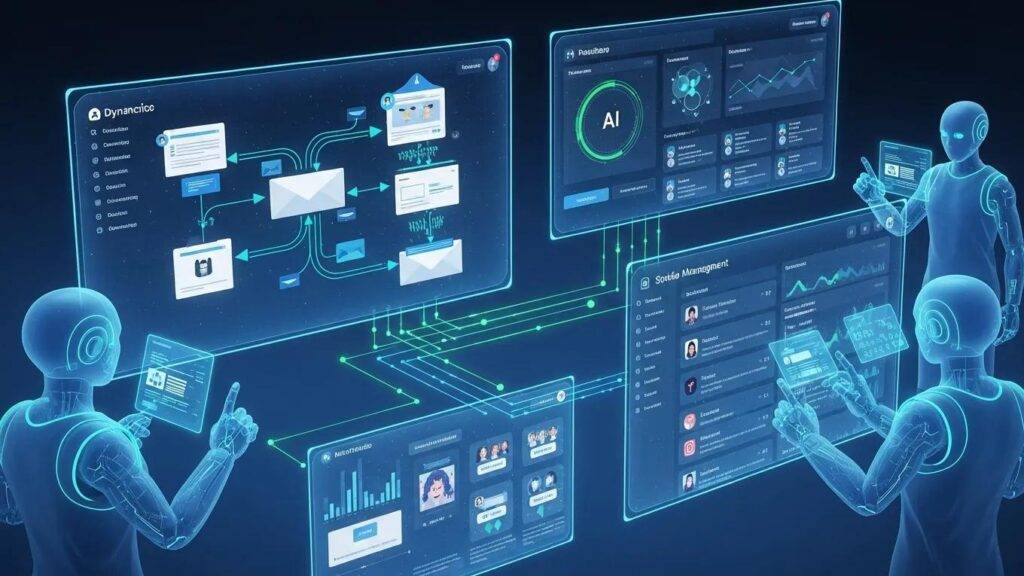
AI agents streamline digital marketing workflows by automating various tasks that traditionally consume substantial time and resources. This includes automating email marketing campaigns, managing social media posts, and optimizing ad placements based on performance metrics. By offloading these responsibilities to AI tools, companies can allocate resources toward strategic initiatives.
AI agents also analyze vast amounts of data to derive actionable insights. This capability enables marketers to better understand customer preferences, thereby refining their targeting strategies and ensuring higher engagement rates with personalized content.
Which AI Agent Types Support Campaign Optimization?
Different types of AI agents play critical roles in optimizing marketing campaigns. Each type is tailored for specific functions within the marketing ecosystem:
- Autonomous Campaign Managers: These AI agents can oversee and manage campaigns across various channels, ensuring that resources are allocated efficiently to achieve the highest engagement.
- Predictive Analytics Agents: By analyzing historical data, these agents forecast future customer behavior, informing marketers on the best strategies to employ for maximum impact.
- Content Creation Agents: Utilizing natural language processing, these AI tools generate engaging content tailored to specific audience segments, saving time while maintaining relevance.
These distinct agent types contribute to a comprehensive AI marketing strategy that enhances overall efficacy.
How Do AI-Driven Marketing Strategies Increase Marketing ROI?

AI-driven marketing strategies significantly increase ROI by leveraging hyper-personalization. By analyzing customer data, businesses can deliver tailored experiences that resonate with individual preferences, leading to increased engagement and improved conversion rates. Predictive analytics also enables more strategic resource allocation, ensuring that marketing budgets are spent effectively.
A practical example comes from companies that have integrated AI agents into their marketing strategies; many report improvements in their operational efficiency and marketing ROI. For instance, businesses that utilize AI to manage customer interactions have seen their conversion rates increase.
AI Models: Boosting User Conversion and Revenue ROI
With the rapid progress of Intelligent Technology (AI), many companies have introduced AI models to promote user conversion and income growth. AI can effectively mine potential users by analyzing massive user information and create personalized services or product recommendations according to different user categories, thus significantly improving the user conversion rate. In addition, the AI model also promotes income growth through dynamic pricing, personalized incentives and other means to achieve a better return on investment (ROI).
How to Optimize User Conversion Rates and Revenue Growth with AI Models, Z Ma, 2025
What Are Key Metrics for AI Marketing Performance?
To effectively measure the performance of AI marketing strategies, several key metrics are crucial:
- Conversion Rate Uplift: The increase in lead conversions as a direct result of AI-driven interventions.
- Cost Per Acquisition (CPA): An analysis of how much it costs to acquire a new customer through AI initiatives.
- Engagement Metrics: Metrics that gauge customer interactions with marketing materials, such as click-through rates and social media engagements.
Understanding these metrics allows businesses to quantify the impact of AI on their marketing efforts and adjust their strategies accordingly.
How Do AI Agents Improve Campaign Personalization and Targeting?
AI agents enhance campaign personalization and targeting through advanced data analytics and machine learning algorithms. These agents can segment audiences based on behavior, preferences, and demographic details, allowing marketers to create highly tailored messaging that resonates with specific consumer segments.
Dynamic Content Personalization
Through real-time data analysis, AI agents dynamically adjust content according to user interactions, ensuring that the messaging remains relevant and engaging.
Automated Audience Segmentation
AI agents can analyze customer data to create precise audience segments that improve targeting efficiency, leading to increased conversion rates.
Real-Time Campaign Optimization
By continuously monitoring campaign performance, AI agents can adjust strategies on the fly, optimizing resource allocation and maximizing reach.
How Can Enterprises Implement AI Marketing Agents Safely with Governance Frameworks?
When implementing AI marketing agents, enterprises must establish robust governance frameworks. These frameworks ensure that AI usage complies with industry standards and ethical considerations. Key components include:
- Establish Governance Frameworks: Define who is responsible for overseeing AI marketing initiatives, ensuring accountability.
- Assess Organizational Readiness: Before implementing AI tools, organizations should evaluate their infrastructure and team readiness to adopt AI-driven strategies.
- Implement Compliance Measures: Regular assessments should be conducted to ensure compliance with legal and ethical standards in data usage and privacy.
By adhering to governance frameworks, businesses can mitigate risks associated with AI adoption.
What AI Governance and Risk Management Practices Are Essential?
Key governance practices are essential for ensuring the ethics and integrity of AI in marketing:
- Data Privacy Considerations: Organizations must prioritize user data security and privacy, implementing strict data handling protocols.
- Transparency in Data Use: Providing clarity about how AI agents use consumer data builds trust with customers.
- Regular Audits for Compliance: Ongoing evaluations help ensure that AI practices adhere to regulatory standards and ethical guidelines.
These practices foster customer trust and align AI strategies with organizational values.
How Does the Blueprint Framework Facilitate Safe AI Adoption?
The Blueprint framework offers enterprises a structured approach to safely adopting AI technologies. It emphasizes prudent risk assessment and highlights essential guidelines for implementing and managing AI systems.
- Ethical Risk Assessment: This involves identifying potential ethical issues associated with AI usage and addressing them proactively.
- Technical Stack Recommendations: The framework provides guidance on selecting appropriate technologies that align with business objectives.
- Implementation Planning Guidance: Enterprises receive step-by-step advice on integrating AI solutions effectively.
Leveraging the Blueprint framework helps businesses navigate the complexities of AI integration while ensuring compliance and best practices.
What Do Case Studies Reveal About AI Agent Impact on Marketing Efficiency?
Numerous case studies demonstrate the impact of AI agents on marketing efficiency. For example, companies that have integrated AI tools into their marketing departments have experienced significant reductions in workflow bottlenecks.
- Content Production Time Reductions: Businesses report a 50% to 70% decrease in content creation time through automated writing tools, rather than 95%.
- AOV Improvements: Firms employing AI in their marketing strategies saw average order values increase, attributed to personalized marketing efforts.
- Operational Efficiency Benefits: Integrating AI has allowed teams to operate more efficiently, reducing burnout and allowing members to focus on higher-value tasks.
These real-world examples illustrate the significant advantages of adopting AI technologies in marketing practices.
How Have AI Agents Reduced Content Production Time?
AI technology, particularly generative AI, has made a profound impact on content production processes. By using algorithms that can produce high-quality text, marketers can create engaging content in a fraction of the time traditionally required.
- Generative AI Technologies: These systems analyze existing content to generate new material, maintaining relevance and quality.
- Workflow Streamlining Examples: AI reduces the need for extensive revisions by creating tailored content directly aligned with audience needs.
- Impact on Campaign Adaptability: The speed at which content can be produced allows for rapid adjustments in campaign strategies based on real-time data.
This technological shift underlines how AI agents not only optimize content production but also enhance campaign responsiveness.
What Improvements in Average Order Value Are Linked to AI Marketing Agents?
AI marketing agents have been linked to notable improvements in average order value (AOV). By employing personalized marketing strategies, businesses have enhanced cross-sell and upsell opportunities.
- Personalized Cross-Sell Campaigns: AI analyzes customer purchase histories to suggest items that complement previous purchases.
- Dynamic Pricing Strategies: AI tools can adjust prices based on market demand and customer behavior, optimizing revenue potential.
- Revenue Growth Examples: Companies utilizing AI for marketing automation report increased revenues directly correlated with enhanced customer experiences.
The financial impact of these strategies highlights the importance of AI in crafting profitable marketing campaigns.
AI in Retail & E-commerce: Optimizing Marketing ROI
This study investigates the growing problem that many U.S. retail and e-commerce firms invest in digital marketing technologies and data systems but still struggle to convert campaign data into consistently optimized performance and stronger marketing return on investment. The purpose of the research was to examine whether AI-augmented business intelligence improves campaign performance optimization and marketing ROI, and to identify which analytical dimensions matter most in practice. The study adopted a quantitative, cross-sectional, case-based design focused on cloud-enabled and enterprise retail and e-commerce campaign environments, using survey evidence from 214 valid professional respondents drawn from campaign managers, BI analysts, e-commerce managers, and digital marketing specialists.
AI-Augmented Business Intelligence for Campaign Performance Optimization in US Retail and e-Commerce: A Mixed-Methods Study of Marketing ROI, MA Islam, 2025
How Do AI Agents Help Reduce Burnout in Marketing Operations Teams?
AI agents play a crucial role in alleviating marketing team burnout by automating strenuous and repetitive tasks. This automation allows marketing professionals to concentrate on strategic decisions and creative tasks, fostering a healthier work environment.
- Automation of Routine Tasks: Tasks such as data entry, reporting, and scheduling can be managed by AI, reducing the workload on staff.
- Continuous Optimization Advantages: AI tools continually analyze data to provide insights, relieving teams of the pressure to constantly monitor campaign performance manually.
- Operational Scalability Benefits: As marketing initiatives grow, AI agents can scale operations efficiently without overwhelming team members.
The shift to AI-driven processes creates a more sustainable and enjoyable work environment for marketing teams.
What Operational Tips Support Marketers Using AI Tools Effectively?
To maximize the benefits of AI tools, marketers should implement the following operational strategies:
- Automate Low-Value Tasks: Identify and automate tasks that do not require human intervention, freeing up time for strategic activities.
- Foster Collaboration with AI: Encourage teams to work alongside AI tools, leveraging their capabilities to enhance human effort and insight.
- Encourage Continuous Learning: As AI technology evolves, ongoing education for team members about new tools and strategies is essential.
Implementing these practices ensures that marketing teams fully benefit from the capabilities that AI agents offer.
How Does Automation Lower Stress and Improve Team Performance?
By automating routine marketing tasks, organizations can significantly reduce stress levels within their teams. For instance, AI-driven tools help minimize data overload, allowing teams to focus on strategic insights rather than drowning in reports.
- Reduction of Stress from Routine Tasks: The elimination of repetitive chores leads to a more focused and motivated workforce.
- Increased Focus on Strategic Initiatives: With more time available, marketing professionals can engage in creative and strategic planning activities.
- Improved Overall Job Satisfaction: Teams experience higher satisfaction levels as they can see the positive outcomes of their strategic work rather than being bogged down by mundane tasks.
This transition underscores how automation can lead to a more productive and satisfied workforce.
What Are Emerging Trends in AI Marketing Agent Adoption and Future Outlook?
As AI technology continues to advance, several emerging trends in AI marketing agent adoption are transforming the landscape.
- Growth in AI Adoption Rates: Increasing numbers of companies are implementing AI solutions to remain competitive and enhance efficiency.
- Integration with Business Intelligence Tools: AI agents are increasingly paired with business intelligence platforms to provide deeper insights and improve decision-making processes.
- Focus on Personalized Customer Experiences: The trend toward hyper-personalization will continue, with businesses leveraging AI to create tailored experiences for their customers.
These trends signal a promising future for AI in marketing, enhancing business operations while providing customers with improved engagement and satisfaction.
Frequently Asked Questions
1. What challenges may businesses face when implementing AI marketing agents?
Implementing AI marketing agents can pose several challenges, including the integration of AI with existing technologies and systems. Companies may struggle with data quality and availability, which can hinder effective AI training and performance. Additionally, there may be resistance from staff due to fears of job displacement or a lack of understanding of AI capabilities. Lastly, ensuring compliance with data privacy regulations adds another layer of complexity that organizations must navigate carefully.
2. How do AI agents handle customer data and privacy concerns?
AI agents are designed with data privacy and security in mind. They can implement protocols to anonymize personal data, ensuring that sensitive information is not misused. Companies using AI marketing agents must establish clear data handling policies that comply with regulations like GDPR. Moreover, transparent communication with customers about data usage can build trust and alleviate privacy concerns, emphasizing the ethical practices surrounding AI technologies.
3. How can businesses measure the success of AI marketing initiatives?
Businesses can gauge the success of AI marketing initiatives by analyzing key performance indicators (KPIs) such as ROI, conversion rate uplift, and customer engagement metrics. By establishing baseline performance before implementing AI tools, companies can compare results post-implementation to determine impact. Additionally, utilizing comprehensive analytics tools that offer real-time tracking of campaigns also helps in assessing how AI enhances marketing effectiveness over time.
4. What skills should marketing teams develop to work effectively with AI technologies?
To work effectively with AI technologies, marketing teams should develop skills in data analytics, understanding AI algorithms, and digital strategy formulation. Familiarity with machine learning concepts and how AI applications function will empower marketers to leverage technology fully. Additionally, soft skills like adaptability and communication are crucial, as teams need to collaborate with AI tools and adjust strategies based on data-driven insights continuously.
5. What role does continuous learning play in AI marketing?
Continuous learning is vital in AI marketing as technology evolves rapidly. Marketers must stay updated on the latest trends, tools, and best practices to fully exploit AI capabilities. Engaging in ongoing education through workshops, webinars, or industry conferences can facilitate skill enhancement. Furthermore, fostering a culture of learning within organizations encourages teams to experiment and innovate, ultimately enhancing their effectiveness in using AI-driven marketing strategies.
6. How do AI marketing agents contribute to sustainability in marketing practices?
AI marketing agents contribute to sustainability by optimizing marketing resource allocation and reducing waste. They help identify the most effective channels and strategies, allowing businesses to focus their efforts on high-impact areas. Additionally, AI can facilitate more accurate targeting, ensuring that marketing messages reach the right audiences without excessive spending. This targeted approach not only enhances efficiency but can also lead to more sustainable business practices by optimizing spend and reducing unnecessary expenditure.
7. What future developments can we expect in AI marketing technology?
Future developments in AI marketing technology are likely to include more sophisticated algorithms that enhance personalization and predictive analytics capabilities. Expect improvements in natural language processing, allowing for even more engaging content generation. Moreover, integrating AI with emerging technologies like augmented reality (AR) and virtual reality (VR) promises to create immersive customer experiences. As ethical considerations and governance frameworks evolve, we may also see standards emerge for responsible AI usage in marketing practices.