

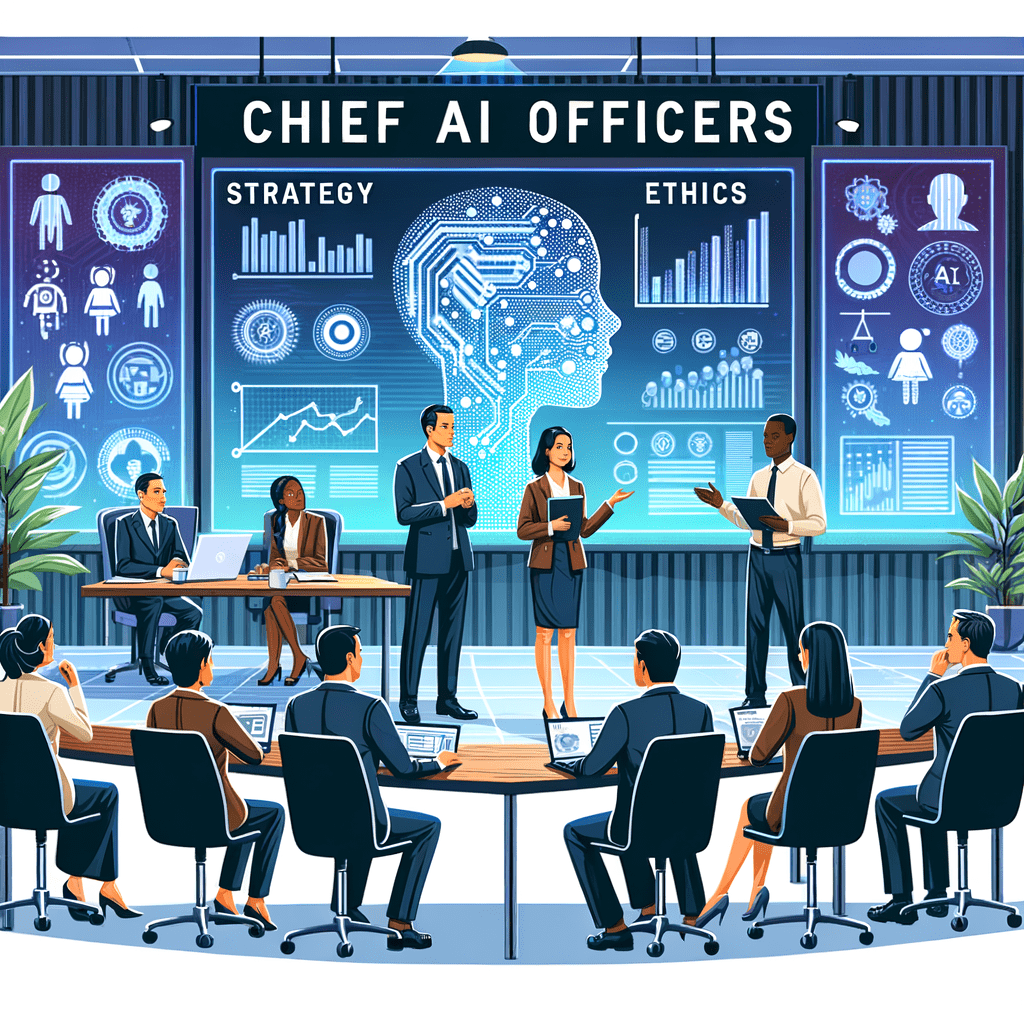
As a Chief AI Officer (CAIO) or aspiring one, continuous learning is essential in the dynamic field of artificial intelligence. Workshops for CAIOs provide focused, intensive training in the ever-shifting landscape of AI. These programs offer valuable insights for business leaders seeking to integrate AI solutions for improved well-being, productivity, and work-life balance.
Essential Skills for a Chief AI Officer
A successful CAIO possesses a unique blend of technical expertise, business acumen, and strong leadership qualities. These skills are critical for driving AI initiatives and ensuring their alignment with business objectives.
Technical Prowess
CAIOs need a firm grasp of core AI technologies like machine learning, deep learning, natural language processing, and computer vision. Familiarity with generative AI, data science, big data, and cloud computing is also essential. This technical foundation enables CAIOs to effectively design, implement, and manage robust AI systems.
Additionally, a strong understanding of AI applications for executive leadership can enhance decision-making and strategic planning within organizations. By leveraging these technologies, CAIOs can drive innovation and ensure that AI initiatives align with overall business objectives. Staying updated with emerging trends and ethical considerations in AI is also crucial for fostering a responsible and effective AI landscape.
Business Acumen
A deep understanding of business principles and how AI can be leveraged to achieve organizational goals is paramount for a CAIO. They must be able to identify business needs and translate them into practical AI strategies. Data analytics skills help CAIOs measure the success of AI implementations and demonstrate their value to stakeholders. The 10th CDAO Summit offers further insights into driving AI integration within organizations.
Leadership and Communication
Effective leadership is vital for guiding teams through intricate AI projects. CAIOs must excel at influencing stakeholders across different departments. Clear communication skills enable CAIOs to explain complex technical concepts to diverse audiences. Building consensus and trust among stakeholders is essential for the successful adoption of AI initiatives.
How Workshops Enhance Your Skills
Targeted workshops play a key role in bridging the gap between traditional business skills and the latest AI technologies. They offer deep dives into specialized areas and foster valuable networking opportunities within the certified chief AI officer community. This community allows senior leaders to gain valuable experience while ensuring compliance for ai programs, ethical considerations and data privacy concerns for enterprise data security. CAIOs understand they can use big data in ethical and proper ways through human intelligence.
Deep Dives and Skill-Building
Workshops delve deeper into specific AI domains, including generative AI, data visualization, product development, and operations management. This focused approach allows CAIOs to enhance their skills in rapidly evolving areas. They also develop essential soft skills, such as communication and persuasion, crucial for gaining buy-in from senior executives for AI-driven business transformation.
Networking
Workshops offer unparalleled networking opportunities, connecting CAIOs with peers and fostering a supportive community. This exchange of knowledge and experiences provides valuable insights and helps CAIOs navigate shared challenges. The CAIO Community is a prime example of such a network.
Effective Workshop Formats
Several workshop formats cater to diverse learning styles. Hands-on workshops, incorporating real-world examples and interactive sessions, prove particularly effective. This section offers AI governance insight for program participants, including certified chief ai officers.
Interactive and Hands-on
Practical workshops centered around real-world AI scenarios reinforce learning and provide actionable insights. Case studies and interactive discussions deepen understanding of successful AI implementations. This experiential learning approach equips CAIOs with the skills to apply theoretical knowledge to their daily work, such as managing ai projects. This interactive method allows program attendees to benefit and build strong foundations in the world of machine learning. Sharing different perspectives between program participants improves the learning process as members understand different opinions surrounding ethical considerations when working with big data.
Blended Learning
A blended learning approach combines online modules with in-person sessions, offering flexibility and comprehensive coverage. Pre-recorded lessons allow participants to learn at their own pace. The MIT xPRO’s AI program for senior executives exemplifies this model. It combines online modules with intensive in-person sessions, facilitating collaborative learning and fostering a deeper understanding of AI leadership principles. Blended learning provides participants the change management skills needed in the agile software world for driving effective AI adoption, such as navigating building ai systems while ensuring data strategy alignment to the needs of an enterprise, in order to increase business performance.
Choosing the Right Workshop
Selecting the most relevant workshop requires careful consideration of your existing skills, learning goals, and organizational needs. Evaluating program reputation and seeking feedback from past participants is crucial for informed decision-making.
Assessing Needs and Goals
Begin by identifying your skill gaps and defining clear learning objectives. Consider whether your focus lies in developing AI strategies, refining business processes, improving AI products, or enhancing management techniques. Choosing workshops that align with these objectives maximizes learning outcomes.
Research and Due Diligence
Thorough research into program content, reputation, and alumni reviews is vital before committing to a workshop. Look for programs endorsed by reputable institutions or offering relevant certifications. Consider factors such as Continuing Professional Education credits and whether the program offers a basic or advanced level of training.
Workshops for Chief AI Officers: A Table of Options
| Institution | Program Name | Focus | Format |
|---|---|---|---|
| Northwestern Kellogg | C-Suite Program in AI and Digital Transformation | Digital transformation, AI leadership | Blended (online and in-person) |
| Wharton | Leadership Program in AI and Analytics | AI for business applications, data-driven decision-making | Blended (online and in-person) |
| MIT xPRO | AI Program for Senior Executives & CSuite | AI strategy, innovation, problem-solving | Blended (online and in-person) |
FAQs about Workshops for Chief AI Officers
How do I find the right workshop for me?
Assess your current skills and identify areas for improvement. Seek out programs that align with your learning objectives and organizational needs. Consider program format, certifications, and their potential impact on your career progression within the ai technology field as an AI leader.
How much do these workshops usually cost?
Workshop costs range widely. Shorter online programs may cost a few thousand dollars, while comprehensive, certified programs can cost tens of thousands. Factor in potential travel, lodging, and other program-related expenses.
Are there financial aid options for these workshops?
Some programs provide scholarships, payment plans, or fee waivers. Explore available options, including employer-sponsored tuition assistance, VA benefits, or specialized certifications that may offer discounts.
Recap and Takeaways from the Workshops
Workshops for Chief AI Officers are more than just opportunities to enhance technical prowess in neural networks; they are investments in leadership development. CAIOs frequently manage complex enterprise architecture, using tools like machine learning and data visualization. CAIOs use these tools to improve business transformation using advanced technologies.
Focusing on aspects like business strategy and practical AI programs to implement ai solutions helps drive AI projects across the organization, making the chief AI officer an integral part of ai business, even in those where Gen AI is not yet a consideration for driving innovation and developing effective ai strategies.
As organizations strive to harness the power of AI, the chief AI officer faces numerous challenges in aligning AI initiatives with overall business objectives. The chief AI officer challenges include navigating organizational resistance, managing cross-department collaboration, and ensuring that the necessary resources are allocated for successful implementation. Addressing these challenges effectively not only enhances the role of AI within the business but also paves the way for future innovations.
The chief AI officer must also prioritize ongoing education and training to build AI literacy across the organization, enabling teams to leverage AI tools effectively. By fostering a culture of innovation and experimentation, organizations can unlock new opportunities for enhancing business efficiency with AI. Ultimately, this proactive approach not only drives immediate benefits but also strengthens the foundation for long-term strategic success in an increasingly competitive landscape.
Moreover, organizations can explore fractional chief AI officer benefits, allowing them to access expert guidance and strategic oversight without the full-time commitment. This flexible arrangement not only reduces costs but also provides tailored AI solutions that align with specific business needs. As a result, companies can accelerate their AI adoption journey while effectively managing resources and ensuring a robust implementation framework.
Organizations can also consider the certified chief ai officer benefits, which offer the assurance of expertise and industry-recognized qualifications in AI leadership. By leveraging these benefits, companies can confidently navigate the complexities of AI adoption, ensuring they are making informed decisions that align with best practices. This strategic advantage allows organizations to remain agile and innovative in their approach to AI, setting the stage for sustainable growth and competitive differentiation.
These workshops cultivate critical skills in areas such as business strategy, strategic decision-making, data science, building AI systems, managing AI tools, change management within agile software development and implementation, developing ai products, and data management. They provide frameworks and management techniques for building trust and navigating ethical considerations and ensuring compliance for data privacy with enterprise data solutions while developing ai strategies using AI technologies and tools.
By developing both technical expertise and strong leadership qualities, workshops empower CAIOs to effectively integrate AI, helping organizations adapt, innovate, and thrive in the age of artificial intelligence. They offer AI officers education in ai technologies like Gen AI and human intelligence, combined with machine learning to help organizations improve business processes. Workshops for Chief AI Officers empower these individuals to develop robust AI programs to develop AI strategies for business process improvements to enhance business performance.
These workshops also address the unique challenges faced by various sectors, allowing CAIOs to tailor their approaches based on industry-specific needs. As organizations increasingly seek skilled leaders in this domain, the demand is rising across the top industries for AI officer roles, including healthcare, finance, and technology. By equipping CAIOs with the necessary tools and insights, workshops play a crucial role in shaping the future of AI leadership within these key sectors.