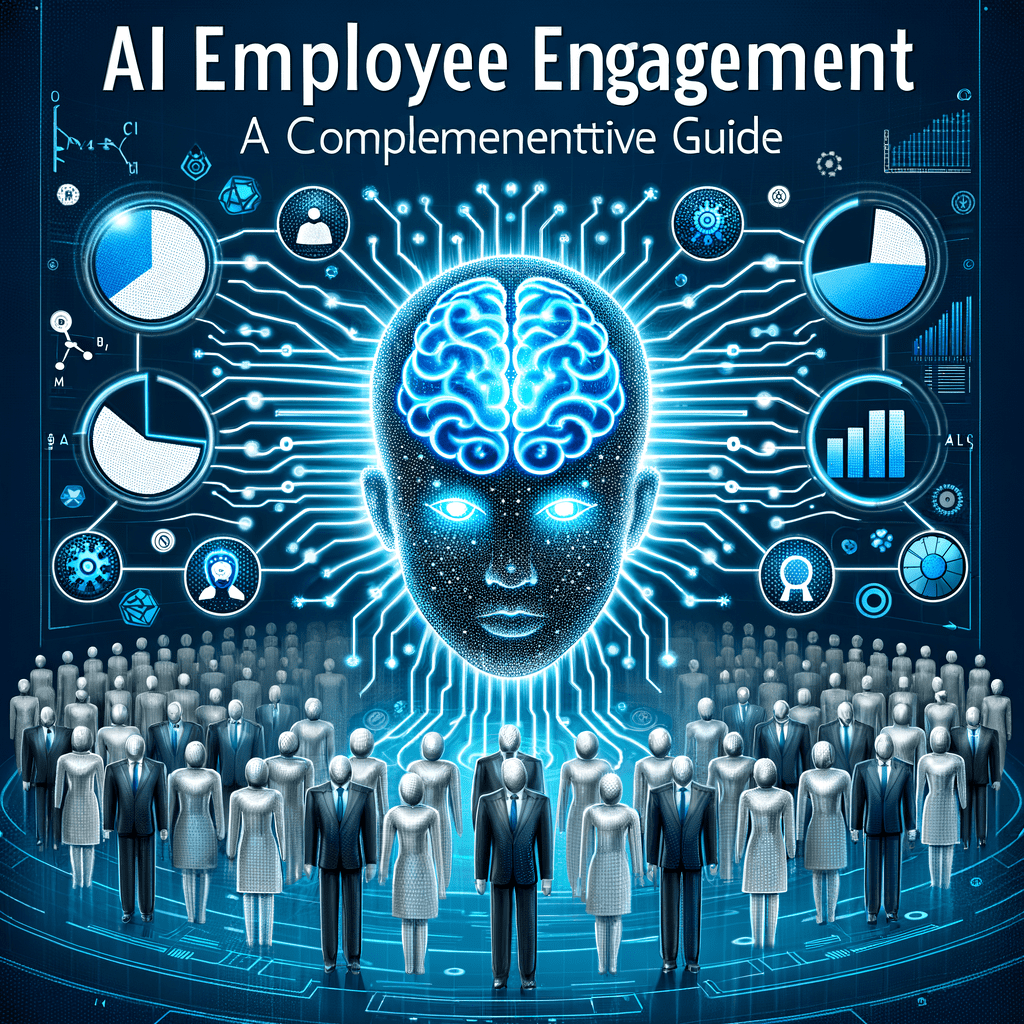
AI employee engagement has rapidly become a hot topic in today’s business world, hasn’t it? And for good reason. Many companies are now looking into using this rapidly growing technology to keep employees satisfied and productive. But how do you know if AI employee engagement is right for your company? What can you reasonably expect from it? Let’s break down the fundamentals.
Understanding AI and Employee Engagement
AI mimics human intelligence through algorithms and systems. This includes complex tasks such as learning, reasoning, and even decision-making.
Employee engagement describes how invested your team members are in their work. Disengaged employees cost U.S. companies up to $550 billion each year, so finding solutions is critical.
AI can analyze data behind the scenes to personalize training, suggest career paths, or even automate tedious tasks that drain employee enthusiasm. McKinsey & Co. reports that 65% of organizations now regularly use generative AI, demonstrating its effectiveness.
As businesses increasingly recognize the potential of AI, many are exploring innovative strategies to boost business with AI tools. By leveraging these technologies, organizations can implement data-driven decision-making processes, enhance operational efficiency, and ultimately improve employee satisfaction. The integration of AI into everyday workflows not only streamlines tasks but also fosters a more engaged and motivated workforce.
Moreover, companies are discovering that generative AI for business productivity can lead to innovative solutions that were previously unimaginable. By harnessing AI’s creative capabilities, organizations can generate new ideas, products, and services, setting themselves apart in competitive markets. This forward-thinking approach not only ensures sustainability but also drives growth and resilience in a rapidly evolving business landscape.
The What and Why of AI Employee Engagement
How does AI employee engagement translate into tangible benefits for your company?
A Cerkl study found that over half of executives reported a positive return on investment when using these strategies.
Optimizing Existing Processes with AI
AI can automate HR tasks, enabling your HR professionals to focus on strategic objectives. Here are a few examples:
- AI streamlines onboarding with personalized welcomes, automated paperwork, and mentor assignments. Research shows that AI is already utilized by around 68% of businesses for onboarding.
- AI objectively analyzes performance data, providing managers and employees with comprehensive insights for feedback and development. As long ago as 2019, a Society for Human Resources Management (SHRM) study showed that 88% of organizations globally leverage AI in HR.
Taking Training and Development to a Whole New Level with AI
AI enables customized learning experiences based on each team member’s skills and growth areas. This approach enhances engagement by making team members feel valued and seen.
AI-Powered Rewards and Recognition
AI employee engagement analyzes performance data to develop impactful incentive programs. AI helps create personalized rewards and recognize top performers.
Moreover, leveraging AI can streamline communication strategies, ensuring that feedback is timely and relevant. By fostering a culture of recognition and motivation, organizations can significantly boost morale and retention rates. Ultimately, the benefits of AI in productivity extend beyond individual performance, driving overall organizational success.
By harnessing advanced algorithms, organizations can identify the unique motivations of their workforce, tailoring incentives that resonate on a personal level. This approach not only enhances productivity but also fosters a collaborative culture, ultimately leading to greater job satisfaction. Consequently, boosting employee happiness with AI becomes a key driver in retaining top talent and nurturing a positive workplace environment.
- AI helps develop more impactful incentive programs. These range from bonuses to additional vacation time or even professional development opportunities.
- AI can identify top performers who deserve special accolades. This reinforces the idea that hard work is seen, appreciated, and rewarded.
AI Employee Engagement: Addressing Common Concerns
It’s important to acknowledge some apprehension surrounding AI. Let’s address these concerns head-on.
Fear of Job Displacement
While concerns about AI replacing jobs are understandable, it’s important to remember that AI cannot replicate human abilities. AI tools enhance employee experience by freeing up employees from repetitive tasks. A Qualtrics study indicated that 68% of employees believe some jobs are at risk because of AI. In fact, 23% of those employees surveyed believed that their own jobs were at risk.
AI tools allow employees to focus on tasks that require distinctly human skills like creativity, critical thinking, and emotional intelligence. AI technology can create MORE jobs in machine learning, software development, and data analysis, as reported by the World Economic Forum.
Moreover, as industries evolve, there will be an increasing need for skilled professionals who can integrate AI technologies into existing systems. Understanding AI’s impact on employment is crucial for guiding educational initiatives that prepare the workforce for future demands. This proactive approach will not only mitigate potential job displacement but also empower individuals to thrive in an AI-enhanced job market.
As AI agents transforming digital work become more prevalent, organizations must adapt by redefining roles and workflows to harness their capabilities effectively. This transformation presents an opportunity to foster a culture of continuous learning, where employees can enhance their skill sets alongside advancing technologies. Ultimately, embracing these changes will lead to increased innovation and productivity across various sectors.
The Ethics of Data Privacy
Employee engagement AI relies on gathering potentially sensitive data, raising privacy concerns. It is crucial to choose platforms that prioritize data encryption, secure storage practices, and adherence to regulations.
Key Takeaways for a Successful AI Employee Engagement Strategy
Carefully consider both the opportunities and challenges AI might bring. AI employee engagement can yield substantial benefits when approached strategically and thoughtfully.
Embrace AI’s potential and address challenges proactively. This approach can enhance employee performance, leading to greater organizational success.
By investing in effective AI implementation strategies for companies, organizations can streamline processes and improve decision-making capabilities. Furthermore, fostering a culture of continuous learning around AI technologies can empower employees to leverage these tools creatively. As a result, businesses will not only optimize their operations but also remain competitive in an increasingly data-driven market.
FAQs about AI employee engagement
Is AI going to replace my job?
AI augments rather than replaces. Automating tasks through AI allows employees to focus on strategic and creative endeavors that require uniquely human skills. The rise of AI has the potential to improve employee well-being.
Can you give some examples of how AI is already used in businesses?
The IBM Global AI Adoption Index 2023 highlights that 42% of surveyed large-scale businesses use AI for optimizing operations, personalizing marketing, or tailoring customer experiences. These enhancements to business operations may result in more positive employee feedback. While these don’t directly correlate with employee engagement, they are relevant examples.
By integrating AI tools into their workflows, organizations can streamline processes and make data-driven decisions that contribute to a more agile business environment. Furthermore, companies that leverage AI effectively can enhance their competitive edge, driving innovation and improving customer satisfaction. To truly capitalize on these advantages, businesses should consider strategies that focus on how to boost your business with AI tools, maximizing their potential for growth and success.
Additionally, investing in AI training for employees can empower them to utilize these tools effectively, thereby fostering a culture of innovation. By encouraging teams to embrace new technologies, organizations not only improve workflow efficiency but also create opportunities for professional development. Ultimately, taking strategic steps to boost your business with AI can lead to transformative outcomes that benefit both employees and customers alike.
Implementing AI for operational excellence strategies can lead to significant cost savings and efficiency gains, allowing businesses to allocate resources more effectively. As organizations continue to evolve in the digital landscape, embracing these advanced technologies will be crucial for fostering adaptability and resilience against market changes. Ultimately, investing in AI capabilities not only enhances current operations but also positions companies for sustained growth in the future.
Moreover, businesses can further accelerate their AI initiatives by exploring custom ai solutions for businesses that cater specifically to their unique challenges and objectives. By tailoring AI applications to their needs, companies can unlock innovative pathways for efficiency and growth, ensuring they remain competitive in an ever-evolving marketplace. This strategic approach not only maximizes technology investments but also empowers organizations to harness the full potential of AI for their specific operational landscapes.
Additionally, as businesses strive to boost your business with AI, they should prioritize collaboration and knowledge sharing among team members. Creating cross-functional teams can facilitate innovative solutions and enhance overall project outcomes. By fostering a collaborative environment, organizations can not only maximize the benefits of AI but also inspire a culture of continuous improvement and learning.
AI Employee Engagement: Unlocking Organizational Success
AI employee engagement can transform how organizations engage, motivate, and retain their most valuable asset: their employees. Using AI for employee engagement requires a mindful and ethical implementation strategy.
These solutions can provide real-time feedback and insights, helping organizations to better understand employee sentiments and needs. By leveraging AI employee engagement solutions, companies can create personalized experiences that cater to individual motivations and career aspirations. Ultimately, a well-executed AI strategy can foster a more inclusive and dynamic workplace culture.