
10‑Day AI Opportunity Blueprint™: Clear ROI, Real Use Cases, Zero Fluff.

AI Whitepapers for Leaders: Get Smarter, Faster, and More Competitive

Action-ready insights distilled from the noise—so you out-think, out-decide, and out-pace the competition.

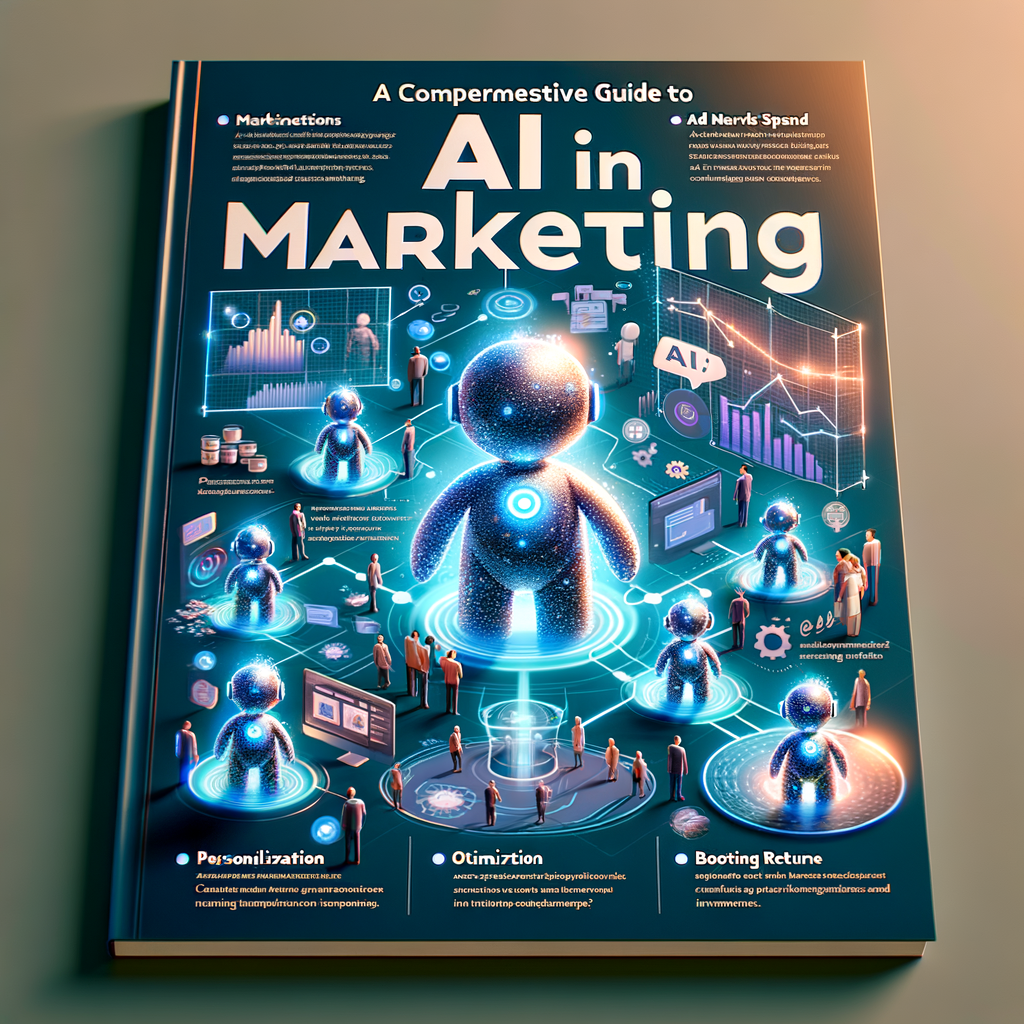
AI marketing guide featuring illustrated AI agents, data analytics, and optimization strategies for business efficiency.

How Marketing AI Agents Boost Your Business Efficiency

Feeling overwhelmed by customer interactions? Struggling to keep up with personalized marketing? Marketing AI agents might be your solution. Discover how they can revolutionize your marketing efforts and what to consider before integrating them.

What Are Marketing AI Agents?

AI agents are autonomous programs using artificial intelligence to perform specific tasks. In marketing, these agents gather customer data, analyze data, make decisions based on this information, and take action—with minimal human intervention.

While the concept isn’t new (consider Shakey the Robot in the 1960s), advances in AI and machine learning have boosted their capabilities. These tools automate repetitive tasks, freeing you for strategic initiatives. They can also handle complex scenarios, freeing up your team’s time.

How Marketing AI Agents Work

Marketing AI agents operate in a continuous cycle, constantly improving. They gather data like past purchases and website activity. They analyze this information to determine actions like product recommendations. They execute these tasks, using feedback to improve future decisions. Think of AI agents as tirelessly working to improve performance and optimize every step of the customer journey.

Personalization With Context

Marketing AI agents personalize at scale. They tailor content for every customer journey instead of using broad audience segments. Data-driven personalization boosts revenue and delivers a strong marketing ROI. Research indicates data-driven personalization results in 5x to 8x higher marketing ROI. AI marketing agents are instrumental in delivering truly hyper-personalized messaging at each customer touchpoint across every customer’s unique lifecycle.

Always-On Optimization: Beyond Human Capacity

Marketing AI agents continuously optimize every detail. Instead of lengthy experimentation or multiple steps to understand campaign performance, AI handles optimization in the background. These marketing agents work with several different tools across various sales marketing customer support channels to gain customer insights.

AI agents are always learning and adjusting, continuously experimenting in ways human teams can not. This increases ad relevance and refines campaign targeting by considering factors like customer behavior, popular industry trends, and successful strategies utilized by industry leaders.

Boosting Productivity and Unleashing Creativity

AI improves business outcomes while reducing manual labor. AI agents handle tedious tasks. They can even perform specific roles, such as being a fully autonomous sales agent inbound and taking care of sales marketing needs, or being an sdr outbound to generate sales opportunities and book qualified demos for the sales team. Automating repetitive tasks, like analyzing large data sets, saves you countless hours. For example, generative AI tools help save businesses like Klarna millions of dollars annually. This shift frees your team for creative work, like developing stories and innovative strategies. They can then engage prospects with unique outreach.

Real-World Applications of Marketing AI Agents

Imagine AI optimizing your social media content. It can generate promotional images, test captions, and choose the best based on engagement. Similar AI tools for email marketing can refine subject lines for better open rates. Marketing agents excel at automating email campaigns, generating email copy automatically, or writing product recommendations.

Tools like HubSpot and Salesforce Agentforce go further. They empower marketers to build applications and automate sales and marketing tasks. AI tools help you execute tasks within these platforms. Marketing agent tools can provide value across marketing customer support, helping marketing teams do things better and faster than ever.

Beyond specific platforms, marketing AI agents handle other time-consuming tasks: A/B testing campaign assets; optimizing ad bidding; and tracking attribution. Some can even suggest marketing strategies.

TaskTraditional ApproachAI Agent Approach
Content CreationManual writing and editing of blog posts, social media updates, ad copy, etc.AI generates various content options; marketers refine and approve. Tools like Jasper and Copy.ai expedite copywriting, and platforms such as HeyGen and Synthesia automate video production.
Audience SegmentationManual analysis of customer data to identify segments.AI analyzes data and identifies key segments automatically, using predictive audiences, propensity scoring, and a one-to-one hyper-personalized strategy.
Campaign OptimizationManual monitoring of campaigns and adjustment of ad spend, targeting, and messaging based on basic analysis.AI continuously analyzes data and autonomously adjusts parameters for optimal campaign results and a one-to-one hyper-personalized campaign based on previous behavior in email, social, SMS messaging, or in-app messages.
Paid Media OptimizationManual creation, adjustments to budget, ad creative, bidding strategies, targeting parameters, and channels based on gut instincts and general industry recommendations.AI agents optimize ad spend and automatically manage parameters in various paid media advertising channels such as search, social, display, video, etc. across any paid media channel connected through tools integrations api and leveraging machine learning models.

Factors to Consider When Working with AI Agents

While autonomous marketing teams sound appealing, current technology hasn’t achieved artificial general intelligence (AGI). Human oversight remains essential for successful AI agent deployment.

Even efficient AI needs information. Consider your company’s available data and processing structure. Robust data collection and cleaning mechanisms are essential. AI relies on quality data to understand past interactions, enabling predictive analytics.

Consider which departments benefit most from AI agents. Goal-setting should align with departmental goals and established boundaries.

FAQs about marketing ai agents

What is an AI marketing agency?

An AI marketing agency uses AI to perform marketing tasks. These include content creation, personalized recommendations, and automated customer interactions. An AI marketing agency also leverages data sources for content creation, as well as optimize paid advertising spend across several channels, such as search, display, social, or even optimize ads through the proper API integration for digital out-of-home ads.

What are the 5 types of agents in AI?

Five AI agent models exist: simple reflex, model-based reflex, goal-based, utility-based, and learning agents. Each perceives its environment and decides actions differently.

Can you use AI for marketing?

AI transforms marketing through automation, personalization, and continuous improvement. Tasks once manual now run 24/7, maximizing productivity and ROI. AI-powered tools can create websites quickly, freeing up time for strategy and growth.

Which is the best AI for marketing?

The best AI depends on the task. Tools like Copy.ai and Jasper assist with copywriting. Synthesia and HeyGen create videos. Platforms such as Outset and Voicepanel conduct market research and validate ideas.

Unlocking the Potential of AI in Marketing

Marketing AI agents are pivotal for modern marketers. These tools handle routine tasks and operate behind the scenes, often exceeding human capabilities. They empower marketers to innovate and connect with customers meaningfully.

From personalization to optimizing marketing ROI, AI agents add immense value. They enable smarter strategy implementation in today’s dynamic market. AI agents will help businesses create customer loyalty, increase conversions, and boost ROI. They can handle content creation, improve future marketing campaign results by testing against several audience segments, and automate repetitive tasks. AI marketing is still early in adoption, so brands adopting this technology earlier will be able to reap the largest gains by quickly automating and optimizing based on real customer behavior from customer interactions across all platforms.

Facebook
Twitter
LinkedIn
Related Post
Lee Pomerantz, founder of eMediaAI, smiling in a cozy library setting, emphasizing human-centric AI consulting for SMBs.

Lee Pomerantz

Lee Pomerantz is the founder of eMediaAI, where the mantra “AI-Driven, People-Focused” guides every project. A Certified Chief AI Officer and CAIO Fellow, Lee helps organizations reclaim time through human-centric AI roadmaps, implementations, and upskilling programs. With two decades of entrepreneurial success - including running a high-performance marketing firm - he brings a proven track record of scaling businesses sustainably. His mission: to ensure AI fuels creativity, connection, and growth without stealing evenings from the people who make it all possible.

Summarize This Page With Your Favorite AI

© 2025 eMediaAI.com. All rights reserved. Terms and Conditions | Privacy Policy 

Mini Case Study: Personalized AI Recommendations Boost E-Commerce Sales | eMediaAI

Mini Case Study: Personalized AI Recommendations
Boost E-Commerce Sales

Problem

Competing with giants like Amazon made it difficult for a small but growing e-commerce brand to deliver the kind of personalized shopping experience customers expect. Their existing recommendation engine produced generic suggestions that ignored customer intent, seasonality, and browsing behavior — resulting in low conversion rates and high cart abandonment.

Solution

The brand implemented a bespoke AI recommendation agent that delivered real-time personalization across their digital storefront and email campaigns.

  1. The AI analyzed browsing history, purchase patterns, session duration, abandoned carts, and delivery preferences.
  2. It then generated dynamic product suggestions optimized for cross-selling and upselling opportunities.
  3. Personalized recommendations extended to marketing emails, highlighting products relevant to each customer's unique shopping journey.
  4. The system continuously improved by learning from user engagement and conversion outcomes.

Key Capabilities: Real-time personalization • Behavioral analysis • Cross-sell optimization • Continuous learning from user engagement

Results

Average Cart Value

+35%

Increase driven by intelligent upselling and cross-selling.

Email Conversion

+60%

Lift in email conversion rates with personalized product highlights.

Cart Abandonment

Reduced

Significant reduction in cart abandonment, boosting total sales performance.

ROI Timeline

3 Months

The AI system paid for itself through improved revenue efficiency.

Strategy

In today's market, one-size-fits-all recommendations no longer work. Tailored AI systems designed around your customer data deliver the kind of personalized, dynamic experiences that drive loyalty and repeat purchases — helping niche e-commerce brands compete effectively against industry giants.

Why This Matters

  • Customer Expectations: Modern shoppers expect Amazon-level personalization regardless of brand size.
  • Competitive Edge: AI-powered recommendations level the playing field against larger competitors.
  • Data-Driven Insights: Continuous learning means the system gets smarter with every interaction.
  • Revenue Multiplication: Small improvements in conversion and cart value compound dramatically over time.
  • Customer Lifetime Value: Personalized experiences drive repeat purchases and brand loyalty.
Customer Story: AI-Powered Video Ad Production at Scale

Marketing Team Generates High-Quality
Video Ads in Hours, Not Weeks

AI-powered video production reduces campaign creation time by 95% using Google Veo

Customer Overview

Industry
Travel & Entertainment
Use Case
Generative AI Video Production
Campaign Type
Destination Marketing
Distribution
Digital & In-Flight

A marketing team responsible for promoting global travel destinations needed to produce a constant stream of fresh, high-quality video content for in-flight entertainment and digital advertising campaigns. With hundreds of destinations to showcase across multiple markets, traditional production methods couldn't keep pace with demand.

Challenge

Traditional production — involving creative agencies, travel shoots, and post-production — was costly, time-consuming, and logistically complex, often taking weeks to produce a single 30-second ad. This limited the team's ability to adapt campaigns quickly to market trends or seasonal travel spikes.

Key Challenges

  • Traditional video production required 3–4 weeks per 30-second ad
  • Physical location shoots created high costs and logistical complexity
  • Limited content volume constrained campaign variety and testing
  • Slow turnaround prevented rapid response to seasonal travel trends
  • Agency dependencies created bottlenecks and budget constraints
  • Maintaining brand consistency across dozens of destination videos

Solution

The marketing team implemented an AI-powered video production pipeline using Google's latest generative AI technologies:

Google Cloud Products Used

Google Veo
Vertex AI
Gemini for Workspace

Technical Architecture

→ Destination selection & campaign brief
→ Gemini for Workspace → Script generation
→ Style guides + reference imagery compiled
→ Google Veo → Cinematic video generation
→ Human review & approval
→ Deployment to digital & in-flight channels

Implementation Workflow

  1. The team selected a destination to promote (e.g., "Kyoto in Autumn").
  2. They used Gemini for Workspace to brainstorm and generate a compelling 30-second video script highlighting the city's cultural and visual appeal.
  3. The script, along with style guides and reference imagery, was fed into Veo, Google's generative video model.
  4. Veo produced a high-quality cinematic video clip that captured the desired tone and visuals — all in hours rather than weeks.
  5. The final assets were quickly reviewed, approved, and deployed across digital channels and in-flight entertainment systems.
Example Campaign: "Kyoto in Autumn"

Script generated by Gemini highlighting cultural landmarks, fall foliage, and traditional experiences. Veo created cinematic footage showing temples, cherry blossoms, and street scenes — all without a physical production crew.

Results & Business Impact

Time Efficiency

95%

Reduced ad production time from 3–4 weeks to under 1 day.

Cost Savings

80%

Eliminated physical shoots and editing labor, saving ≈ $50,000 annually for mid-size campaigns.

Creative Scalability

10x Output

Enabled production of dozens of destination videos per month with brand consistency.

Engagement Lift

+25%

Increased click-through rates on destination ads due to richer, faster content rotation.

Key Benefits

  • Rapid campaign iteration enables A/B testing and seasonal responsiveness
  • Dramatically lower production costs allow coverage of niche destinations
  • Consistent brand voice and visual quality across all generated content
  • Reduced dependency on external agencies and production crews
  • Faster time-to-market improves competitive positioning in travel marketing
  • Environmental benefits from eliminating unnecessary travel and location shoots

"Google Veo has fundamentally changed how we approach video content creation. We can now test dozens of creative concepts in the time it used to take to produce a single video. The quality is cinematic, the turnaround is lightning-fast, and our engagement metrics have never been better."

— Director of Digital Marketing, Travel & Entertainment Company

Looking Ahead

The marketing team plans to expand their AI-powered production capabilities to include:

  • Personalized destination videos tailored to customer preferences and travel history
  • Multi-language versions of campaigns generated automatically for global markets
  • Real-time content updates based on seasonal events and local festivals
  • Integration with customer data platforms for hyper-targeted advertising

By leveraging Google Cloud's generative AI capabilities, the organization has transformed video production from a bottleneck into a competitive advantage — enabling creative agility at scale.

Customer Story: Automated Podcast Creation from Live Sports Commentary

Sports Broadcaster Transforms Live Commentary
into Same-Day Highlight Podcasts

Automated podcast creation reduces production time by 93% using Google Cloud AI

Customer Overview

Industry
Sports Broadcasting & Media
Use Case
Content Automation
Size
Mid-sized Sports Network
Region
North America

A regional sports broadcaster manages hours of live event commentary daily across multiple sporting events. The organization needed to transform raw commentary into engaging, shareable content that could be distributed to fans immediately after events concluded.

Challenge

Creating highlight reels and post-event summaries manually was slow and resource-intensive, often taking an entire production team several hours per event. By the time the recap was ready, fan interest and social engagement had already peaked — leading to missed opportunities for timely content distribution and reduced viewer retention.

Key Challenges

  • Manual transcription and editing required 5+ hours per event
  • Delayed content release reduced fan engagement and social media reach
  • High production costs limited content output for smaller events
  • Inconsistent quality across multiple simultaneous events
  • Limited scalability during peak sports seasons

Solution

The broadcaster implemented an automated podcast creation pipeline using Google Cloud AI and serverless technologies:

Google Cloud Products Used

Cloud Storage
Speech-to-Text API
Vertex AI
Cloud Functions

Technical Architecture

→ Live commentary audio → Cloud Storage
→ Cloud Function trigger → Speech-to-Text
→ Time-stamped transcript generated
→ Vertex AI analyzes transcript for exciting moments
→ AI generates 30-second highlight scripts
→ Polished podcast ready for distribution

Implementation Workflow

  1. Live commentary audio was captured and stored in Cloud Storage.
  2. A Cloud Function triggered Speech-to-Text to generate a full, time-stamped transcript.
  3. The transcript was sent to a Vertex AI generative model with a prompt to detect the top 5 exciting moments using cues like keywords ("goal," "crash," "overtake"), exclamations, and sentiment.
  4. Vertex AI generated short 30-second highlight scripts for each key moment.
  5. These scripts were converted into audio using text-to-speech or recorded by a human host — producing a polished "daily highlights" podcast in minutes instead of hours.

Results & Business Impact

Time Savings

93%

Reduced highlight production from ~5 hours per event to 20 minutes.

Cost Reduction

70%

Automated workflows cut production costs, saving an estimated $30,000 annually.

Fan Engagement

+45%

Same-day release of highlight podcasts boosted daily listens and social media shares.

Scalability

Multi-Event

System scaled effortlessly across multiple sports events year-round.

Key Benefits

  • Same-day content delivery captures peak fan interest and engagement
  • Smaller production teams can maintain consistent output across multiple events
  • Automated quality and formatting ensures professional results at scale
  • Reduced time-to-market improves competitive positioning in sports media
  • Lower operational costs enable coverage of more sporting events

"Google Cloud's AI capabilities transformed our production workflow. What used to take our team an entire afternoon now happens automatically in minutes. We're able to deliver content while fans are still talking about the game, which has completely changed our engagement metrics."

— Head of Digital Content, Sports Broadcasting Network